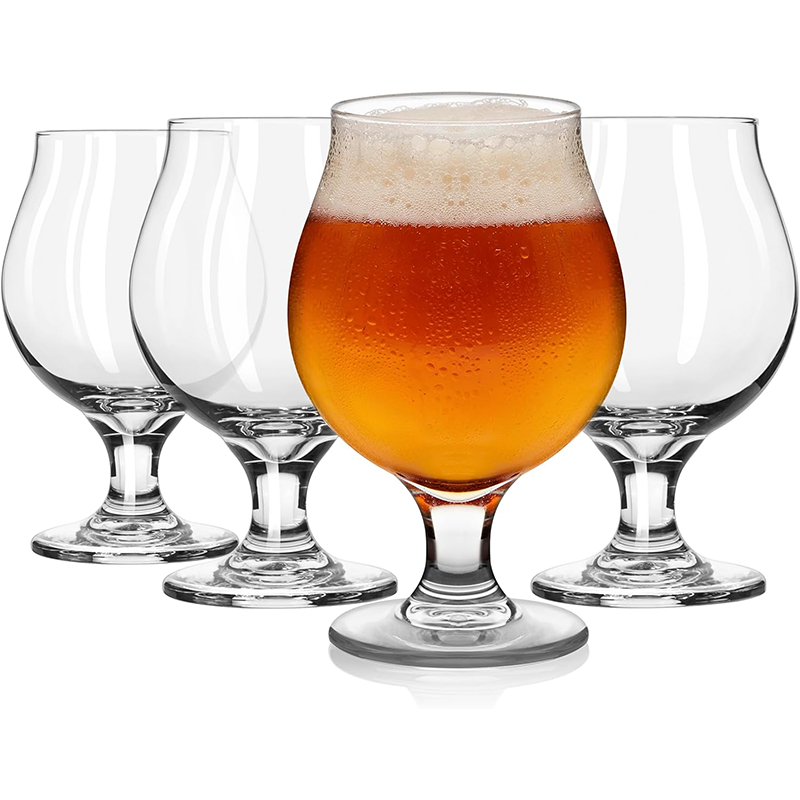
Simple Guide to Food and Drink Pairing
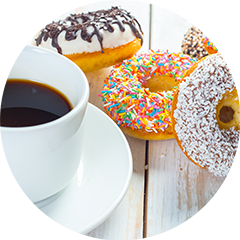
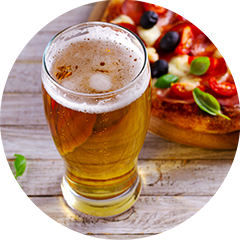
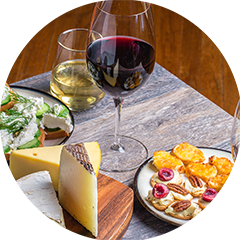
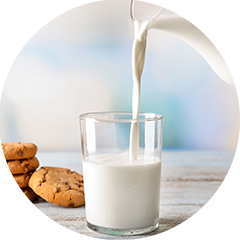
Some food and drinks just seem made for each other. Wine and cheese. Milk and cookies. Beer and pizza. Coffee and donuts. We may not know exactly why they work so well together, we just know they do.
But what happens when the meal gets a little more complicated?
Finding the right drink to serve with dinner doesn’t have to require a sommelier, an extensive wine cellar, or a long list of pairing rules. While there is plenty of science behind why certain combinations work, the best food and drink pairings ultimately come down to one thing: what tastes good to you.
Whether you’re pouring wine, mixing a cocktail, opening a beer, brewing tea, or simply serving sparkling water, a thoughtfully chosen drink can complement the flavors of a meal and make the whole experience a little more enjoyable.
Here are a few simple guidelines to help you find a great match.
Find the Right Balance
A good food and drink pairing is all about balance. Ideally, neither the food nor the drink should overpower the other. Instead, they should complement—or sometimes deliberately contrast with—one another.
Start With the Main Flavors
Think about the dominant flavors in the dish. Is it spicy, sweet, salty, savory, tangy, smoky, rich, or even a little bitter?
Then consider whether you want your drink to complement those flavors or contrast with them.
A crisp, slightly sweet drink can cool the heat of spicy food, for example, while a smoky bourbon may complement the charred flavors of grilled meat. Rich foods often benefit from something bright or acidic that refreshes your palate between bites.
There isn’t always one “correct” pairing. Sometimes opposites attract, and sometimes similar flavors are exactly what a dish needs.
Match the Intensity
A simple rule of thumb is to match the intensity of the drink to the intensity of the food.
A hearty steak can stand up to a bold red wine or full-bodied beer, while delicate seafood or a light pasta may be better suited to something crisp and refreshing.
Think of it as making sure everyone at the table gets a chance to speak. You don’t want the drink shouting so loudly that you can’t taste your dinner or the food completely drowning out what’s in your glass.
Pay Attention to Acidity and Sweetness
Acidity can be especially helpful when pairing drinks with rich, fatty, or creamy foods because it helps refresh the palate. That’s one reason crisp wines, citrus-forward cocktails, sparkling drinks, and even unsweetened iced tea can work so well with certain meals.
Sweetness matters, too. A slightly sweet drink can balance spicy or salty foods, while desserts generally pair best with a drink that is at least as sweet as the food.
The goal isn’t to memorize a formula. It’s simply to notice how one flavor changes the way you experience another.
Consider the Occasion
The meal itself is only part of the equation. Think about when, where, and how you’re serving it.
A backyard cookout, Sunday brunch, holiday dinner, cocktail party, and quiet dinner for two naturally call for different kinds of drinks.
You may want something light and refreshing for an afternoon gathering, a festive cocktail for a celebration, or a special bottle of wine for an elegant dinner.
And sometimes the best choice is simply the drink everyone enjoys.
Don’t Forget the Glass
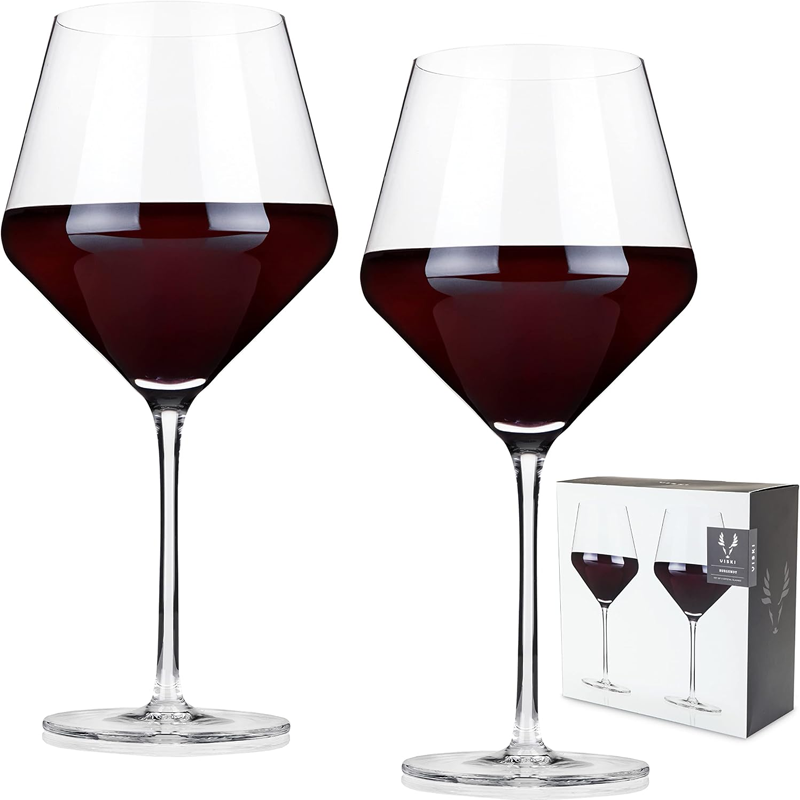
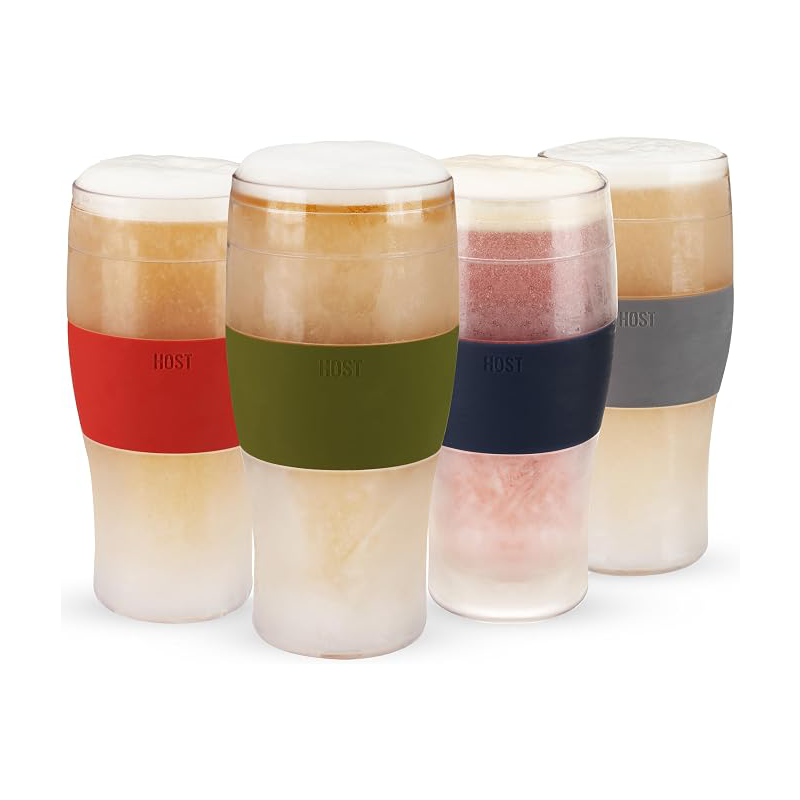
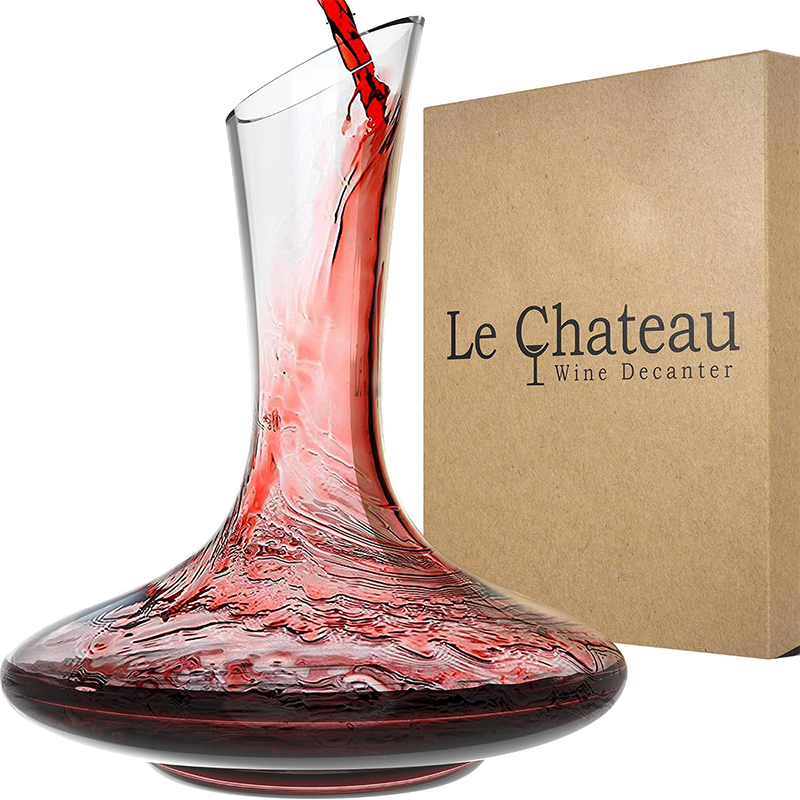
When it comes to food and drink pairing, the glass you use can make a difference in how a drink looks, smells, tastes, and stays at the proper temperature.
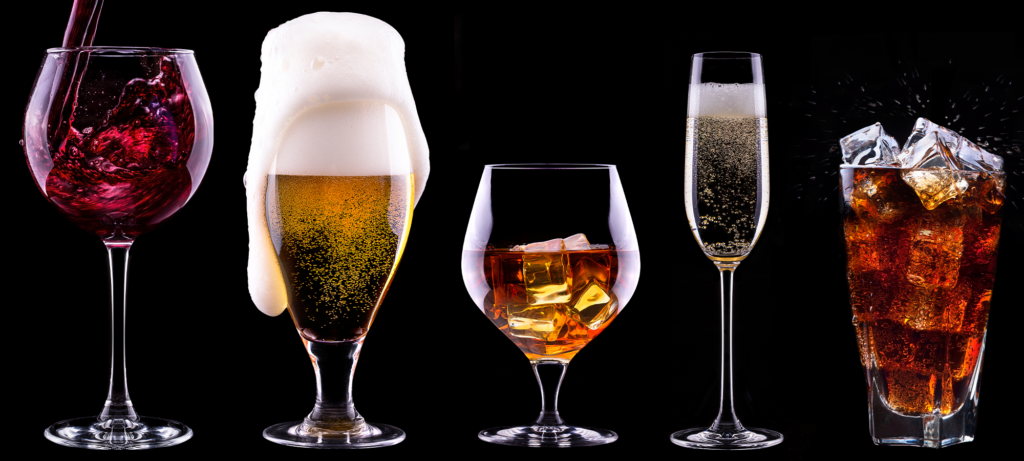
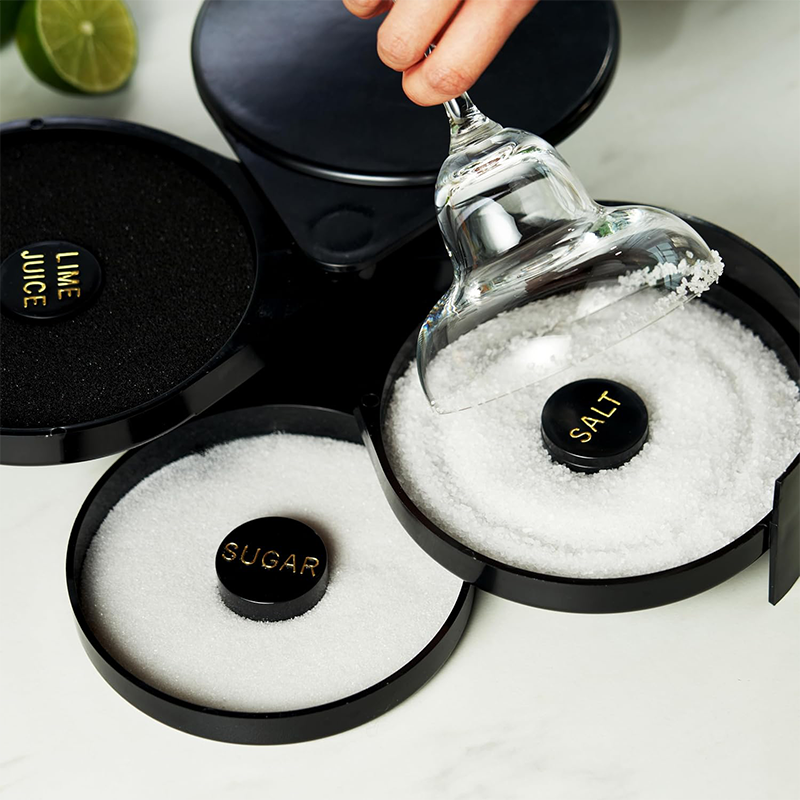
Different glass shapes can influence how much air reaches a drink and how its aromas are concentrated. Stemmed glasses help keep warm hands away from chilled drinks, while wider glasses provide room for ice, garnishes, and ingredients.
That doesn’t mean you need a cabinet filled with specialized glassware.
A few versatile glasses that suit the drinks you serve most often are usually all you need. Choose drinkware that fits your lifestyle, feels comfortable to use, and makes whatever you’re serving a little more enjoyable.
Trust Your Taste Buds
Professional pairing guidelines can be helpful, but they aren’t laws.
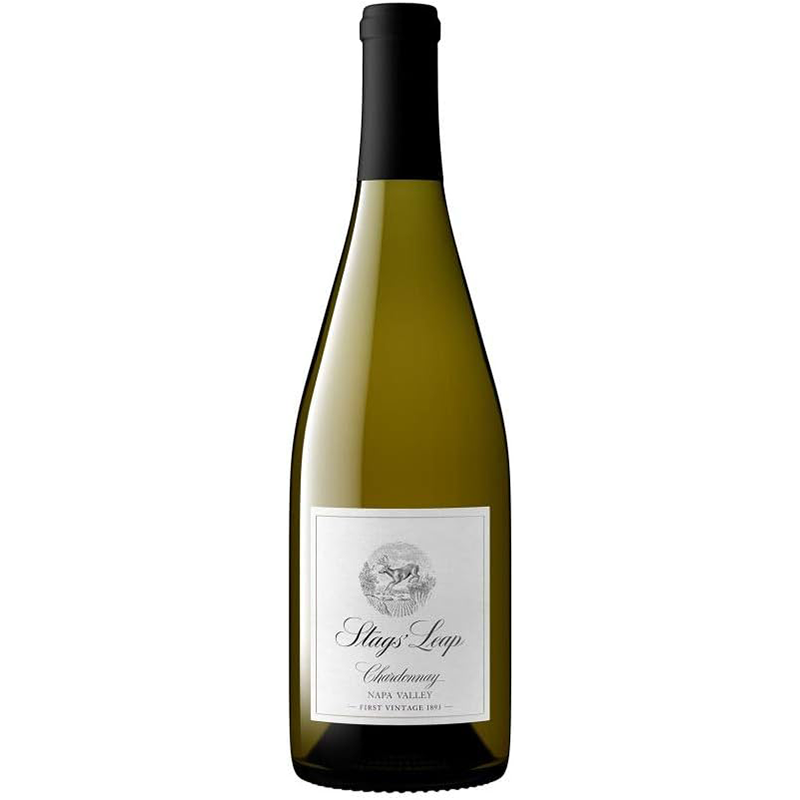
Your personal tastes, family traditions, culture, budget, and even your mood can influence what you want to drink with a meal. If you love Chardonnay with steak or sweet tea with practically everything, there’s no reason a pairing chart should tell you otherwise.
Use pairing guidelines as inspiration rather than instruction.
Experiment with complementary flavors. Try contrasting ones. Pour something you’ve never served with a favorite dish before. You may discover a combination you love—or one you never want to try again. Either way, you’re learning what works for you.
Because when it comes to food and drink pairings, the best pairing is ultimately the one you enjoy.
Cheers!