Cooking Terms
Cooking has a language all its own. From folding and whisking to braising and deglazing, recipes can sometimes leave you wondering exactly what you’re supposed to do.
I know the feeling.
While I love cooking for family and friends, I didn’t learn my way around the kitchen through culinary school or formal training. I learned by cooking. I tried things, made mistakes, asked questions, and figured things out along the way. Over time, unfamiliar cooking terms became familiar techniques, and the kitchen became a whole lot easier to navigate.
If you’re learning to cook, trying a new technique, or simply can’t remember the difference between dicing and mincing, this guide is here to lend a Helping Hand.
It isn’t meant to cover every term you’ll ever encounter. Instead, it focuses on common cooking terms and techniques you’re likely to see in everyday recipes, including many you’ll find right here on Zigeze.
Glossary of Cooking Terms
A
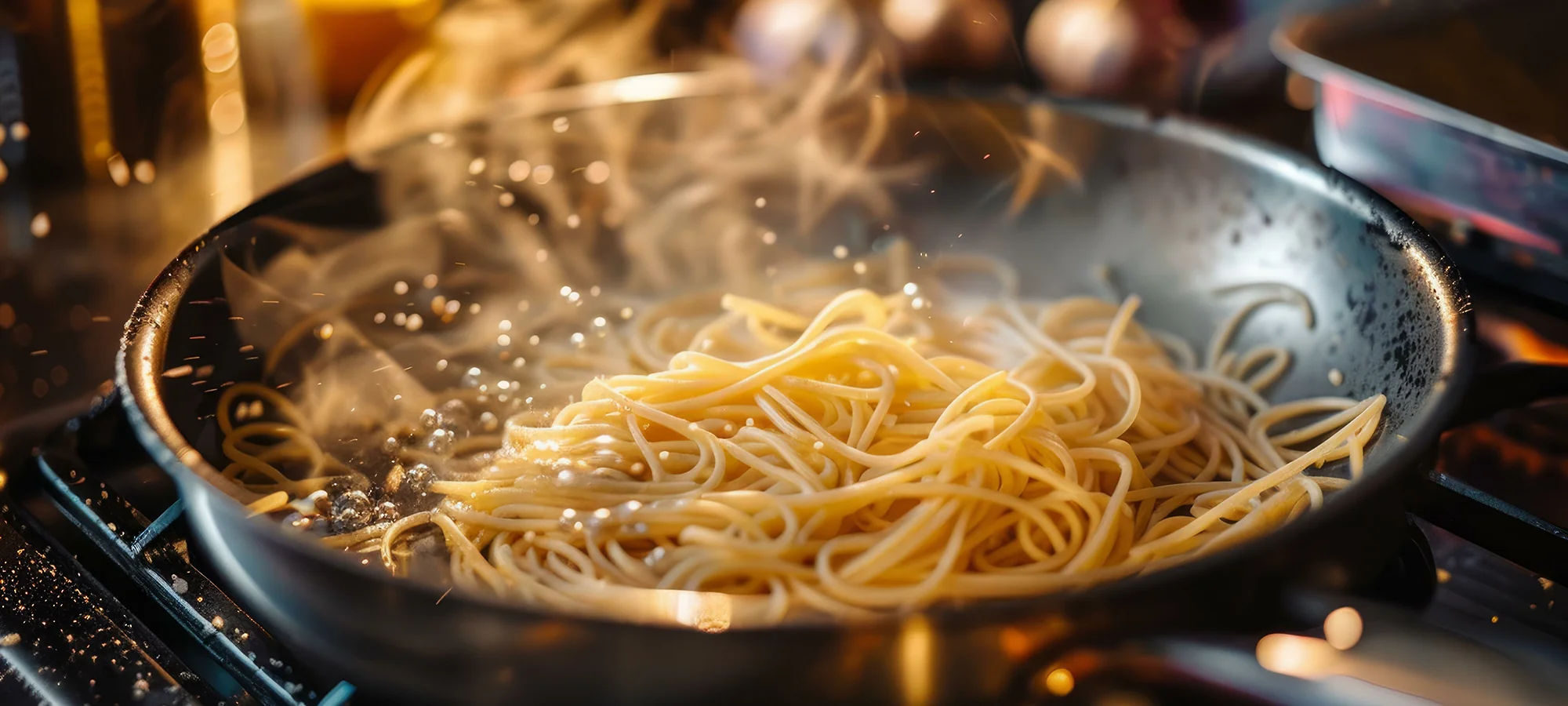
Al dente: Cooked until tender but still slightly firm when bitten. The term is most commonly used for pasta but can also describe vegetables.
Appetizer: A small dish served before the main course to whet the appetite.
B
Bake: Cook food with dry heat, usually in an oven.
Baste: Spoon, brush, or pour liquid such as pan juices, melted butter, or a sauce over food as it cooks to add flavor and moisture.
Beat: Rapidly mix ingredients with a spoon, whisk, or electric mixer until they are thoroughly combined.
Blanch: Briefly cook food in boiling water, then usually transfer it to ice water to quickly stop the cooking process. Blanching is often used for vegetables or to make foods such as tomatoes easier to peel.
Boil: Cook food in liquid that has reached a full boil, with bubbles continuously and vigorously breaking the surface.
Braise: Brown food first, then slowly cook it in a small amount of liquid in a covered pot until tender. Braising is especially useful for tougher cuts of meat.
Brine: Soak food, usually meat or poultry, in a salt-and-water solution before cooking to season it and help it retain moisture.
Broil: Cook food with intense direct heat from above, usually with the food positioned relatively close to the heat source.
Brown: Cook the surface of food until it develops a brown color, adding flavor and texture.
C
Caramelize: Cook sugar until it melts and develops a rich amber color and deeper flavor. The term is also commonly used to describe slowly cooking foods such as onions until their natural sugars brown and their flavor becomes sweeter and richer.
Chop: Cut food into pieces. Chopped pieces are generally larger and less uniform than diced pieces.
Core: Remove the tough center, seeds, or seed-containing portion of fruits such as apples and pears.
Cream: Beat softened butter and sugar together until the mixture becomes light and fluffy. This technique is commonly used in baking.
Crush: Break or press an ingredient into smaller pieces, often using the flat side of a knife, a spoon, mortar and pestle, or another kitchen tool.
Cube: Cut food into evenly sized, cube-shaped pieces.
D
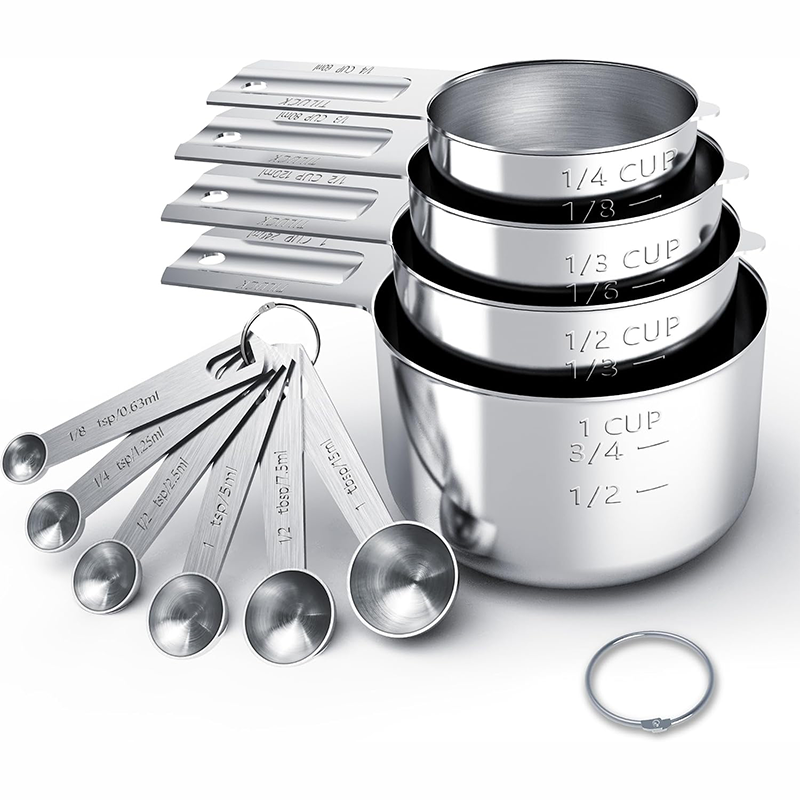
Dash: A very small amount of an ingredient, traditionally about ⅛ teaspoon.
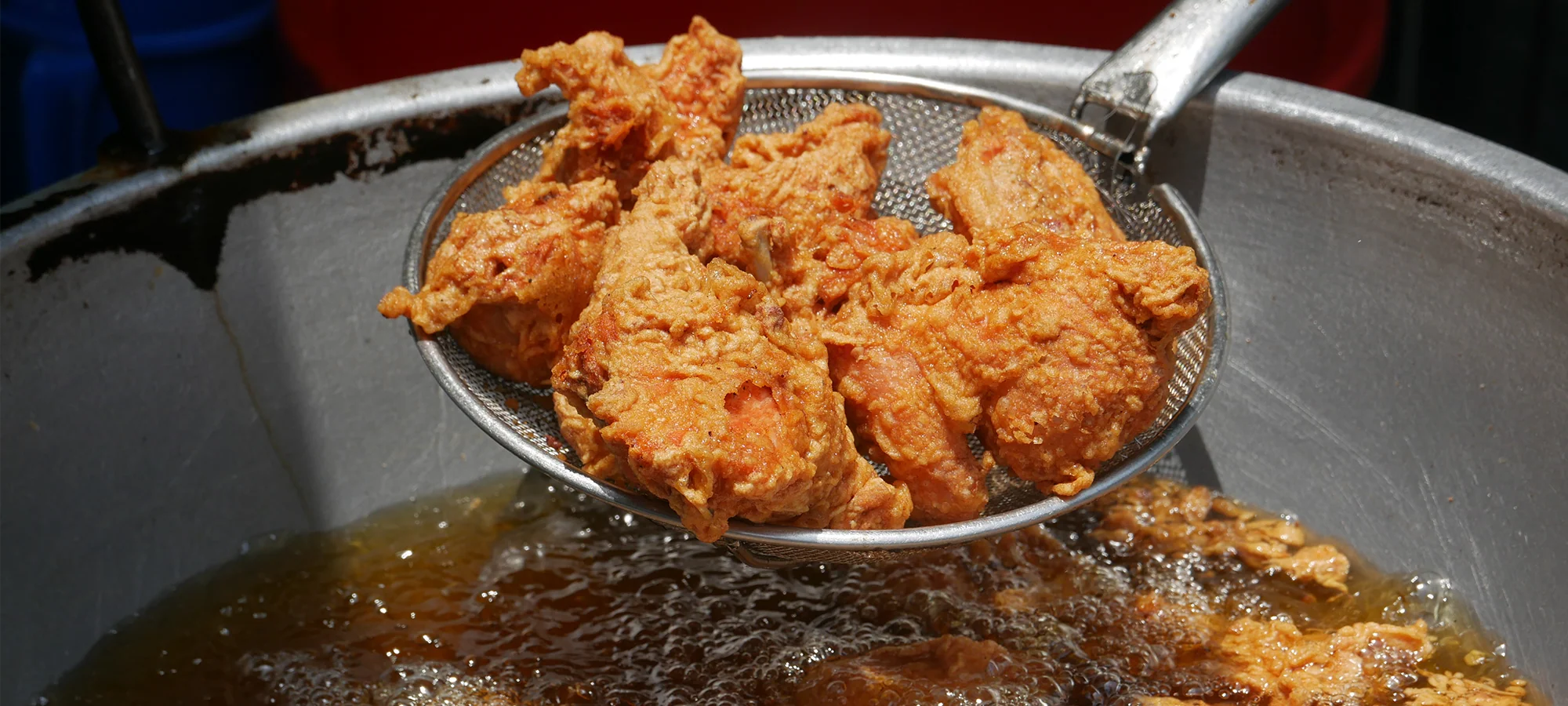
Deep-fry: Cook food by completely submerging it in hot oil or fat.
Deglaze: Add liquid such as stock, wine, or water to a hot pan and scrape up the browned bits left behind after cooking. Those flavorful bits can become the base of a sauce or gravy.
Dice: Cut food into small, relatively uniform cubes.
Divided: Indicates that an ingredient will be used in more than one step of a recipe rather than added all at once.
Dollop: A small, rounded spoonful of a soft food such as sour cream, whipped cream, or yogurt.
Dredge: Lightly coat food with a dry ingredient such as flour, cornmeal, or breadcrumbs before cooking.
Drippings: The flavorful fat and juices that collect in a pan while meat or poultry cooks. Drippings are often used to make gravy or sauces.
Drizzle: Pour a small amount of liquid over food in a thin stream, often using a back-and-forth motion.
Dust: Lightly sprinkle the surface of food with a powdered ingredient such as flour, cocoa, or powdered sugar.
E
Emulsify: Combine two liquids that normally separate, such as oil and vinegar, into a more uniform mixture. Mayonnaise and vinaigrettes are common examples of emulsions.
Entrée: In American cooking, the main dish of a meal. In some other countries and traditional French usage, entrée refers to a dish served before the main course.
F
Flambé: Add alcohol to food and carefully ignite it so the alcohol briefly burns while adding flavor and presentation.
Fold: Gently combine a lighter mixture with a heavier one using broad, sweeping motions that help preserve incorporated air. Folding is often used with whipped cream or beaten egg whites.
G
Glaze: Coat food with a thin, often glossy layer of sauce, syrup, icing, egg wash, or another mixture.
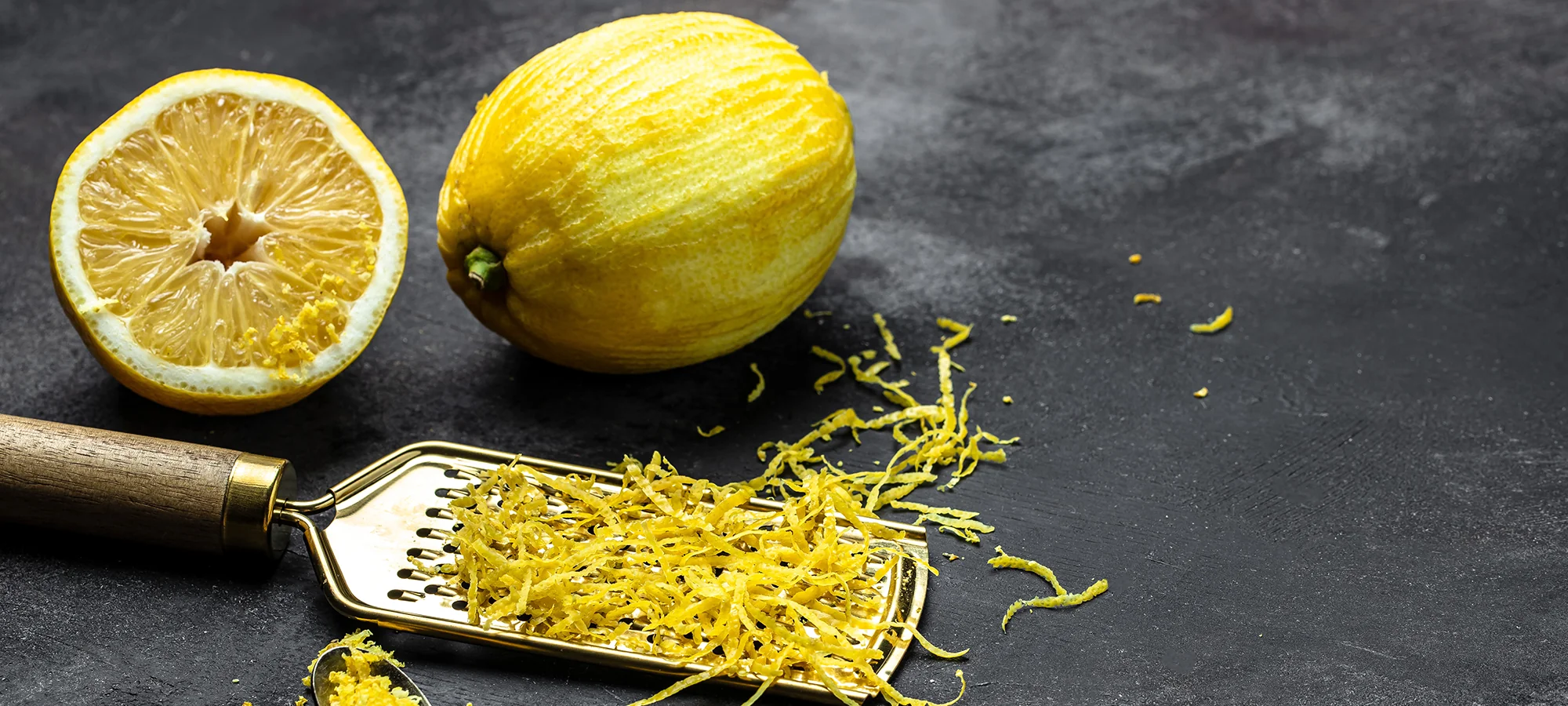
Grate: Rub food against a grater to create small pieces or shreds.
Grease: Coat a pan or baking dish with butter, oil, shortening, or cooking spray to help prevent food from sticking.
H
Hors d’oeuvre: A small bite or appetizer served before a meal or with drinks.
Hull: Remove the leafy top and firm core from a strawberry.
I
Infuse: Allow an ingredient to steep or sit in a liquid so its flavor is transferred to the liquid. Herbs, spices, fruits, oils, and spirits are commonly infused.
J
Julienne: Cut food into long, thin strips resembling matchsticks.
K
Knead: Work dough by pressing, folding, and stretching it by hand or with a mixer to develop its structure.
L
Leaven: Cause dough or batter to rise by incorporating air or using a leavening agent such as yeast, baking powder, or baking soda.
M
Marinate: Soak or coat food in a seasoned liquid or mixture before cooking to add flavor and, depending on the ingredients, sometimes help tenderize it.
Mince: Cut food into very small, fine pieces. Garlic, shallots, and fresh herbs are often minced.
Mull: Slowly heat a beverage with spices, citrus, fruit, or other flavorings. Mulled cider and mulled wine are common examples.
P
Pan-fry: Cook food in a skillet using a moderate amount of hot oil or fat, usually turning it so both sides cook and brown.
Parboil: Partially cook food in boiling water before finishing it with another cooking method.
Pinch: A tiny amount of an ingredient that can be held between your thumb and forefinger, traditionally about 1/16 teaspoon.
Pipe: Force a soft food such as frosting, whipped cream, or mashed potatoes through a piping bag or similar tool to shape or decorate it.
Poach: Gently cook food in liquid kept below a full boil. Eggs, fish, chicken, and fruit can all be poached.
Purée: Blend, process, mash, or strain food until it reaches a smooth consistency.
R
Reconstitute: Restore moisture to a dried or dehydrated ingredient by adding or soaking it in liquid.
Reduce: Simmer or boil a liquid so some of the water evaporates, decreasing its volume while concentrating its flavor and often thickening it.
Rest: Allow food to sit for a period of time before cutting or serving. Resting meat, for example, allows its juices to redistribute.
Roast: Cook food uncovered using dry heat, usually in an oven. The technique is commonly used for meats, poultry, and vegetables.
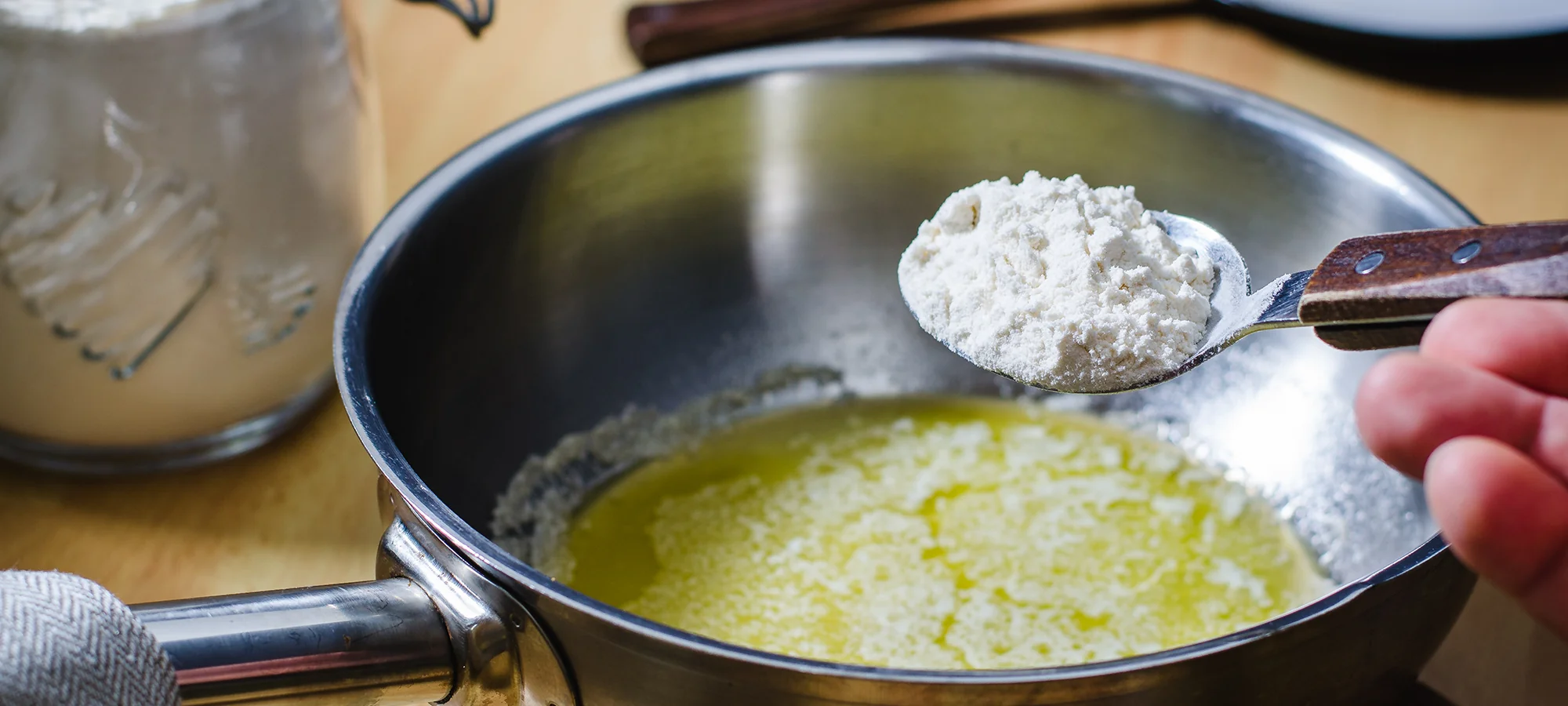
Roux: A cooked mixture of fat and flour used to thicken soups, sauces, gravies, and stews. The length of cooking determines its color and flavor, from a light roux to the deeply browned roux commonly used in Cajun and Creole cooking.
S
Sauté: Quickly cook food in a small amount of fat in a skillet or sauté pan, usually over medium-high heat.
Scald: Heat a liquid, usually milk or cream, until very hot and just below boiling.
Score: Make shallow cuts in the surface of food before cooking.
Sear: Quickly cook the surface of food over high heat until a flavorful browned crust develops.
Shock: Quickly stop the cooking process by transferring hot food—usually blanched vegetables—to an ice-water bath.
Shred: Cut or grate food into long, thin pieces. Cheese, cabbage, and cooked meats are commonly shredded.
Sift: Pass dry ingredients through a sifter or fine-mesh strainer to remove lumps, combine ingredients, or aerate them.
Simmer: Cook liquid just below the boiling point, with small, gentle bubbles occasionally breaking the surface.
Skim: Remove fat, foam, or other material from the surface of a liquid using a spoon, ladle, or skimmer.
Slice: Cut food into relatively thin, flat pieces.
Smidgen: An extremely small amount, traditionally about 1/32 teaspoon.
Steam: Cook food with the heat produced by steam rather than immersing it directly in water.
Steep: Allow an ingredient to sit in liquid, often hot liquid, so its flavor, color, or other properties are extracted. Brewing tea is a familiar example.
Stew: Slowly cook small pieces of food in enough liquid to partially or completely cover them, usually until everything becomes tender and flavorful.
T
Truss: Secure poultry or meat with kitchen twine so it holds its shape and cooks more evenly.
W
Whip: Beat an ingredient rapidly to incorporate air and increase its volume. Cream and egg whites are commonly whipped.
Whisk: Mix ingredients using a whisk with a rapid circular or back-and-forth motion.
Z
Zest: Remove the thin, colorful outer layer of citrus peel with a zester, microplane, or fine grater. Avoid the bitter white pith underneath.
A Little Kitchen Know-How Goes a Long Way
You don’t need culinary training or a vocabulary full of fancy French terms to be a good cook. Sometimes you just need to know the common terms that a recipe is asking you to do.
Keep this guide handy whenever you come across an unfamiliar cooking term or need a quick refresher. And remember, confidence in the kitchen comes with practice. The more you cook, the more natural all of these techniques become.
Now tie on that apron and get cooking.
Enjoy!

Put Your Know-How to Work
Ready to put your kitchen know-how to work? Find a recipe that sounds delicious, grab your apron, and turn those cooking terms into something worth sharing. Search below and get cooking!